Fitzgerald River National Park: A Park in Peril
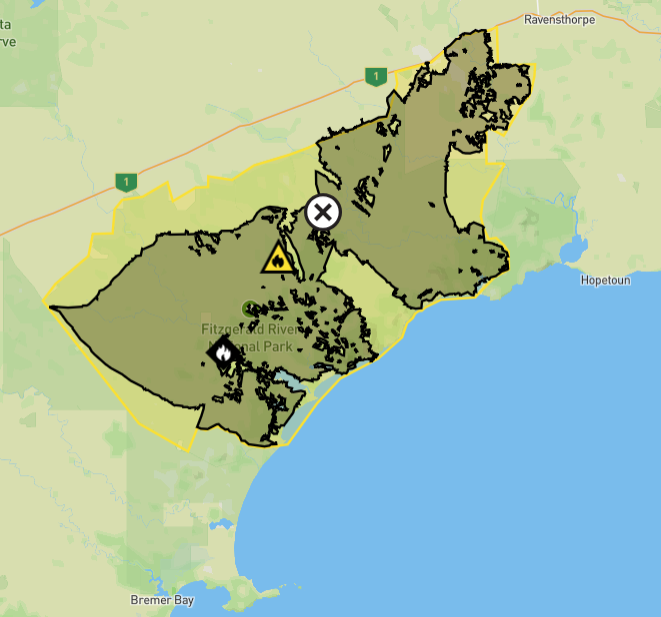
Keith Bradby reflects on the recent fire that swept through some 172,000 hectares of the globally significant Fitzgerald River National Park (FRNP) and adjacent high conservation value areas such as Cocanarup — a vital Carnaby’s Black-Cockatoo breeding habitat.
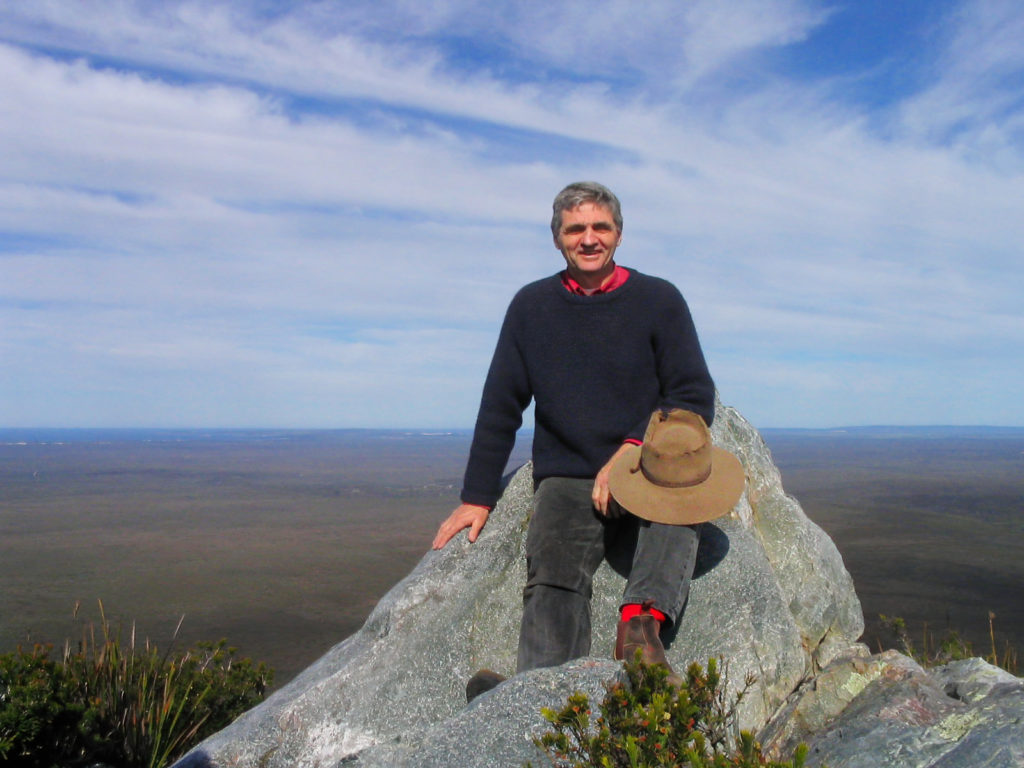
Keith first met the Fitzgerald River National Park in the mid-70s. He was captured by its biological richness and wonders and settled on a small block in the equally significant but unprotected bushland that stretches between the park and the Ravensthorpe Range. In the 1980s, Keith was involved in a range of work to protect and extend the national park, activate its Biosphere Reserve status and secure funding for its biological survey. He was also part of the park’s advisory committee that worked on development of its first management plan. While appreciative of the increased recognition the area now has, it saddens him to see long-term trends of ecological decline.
February 2026
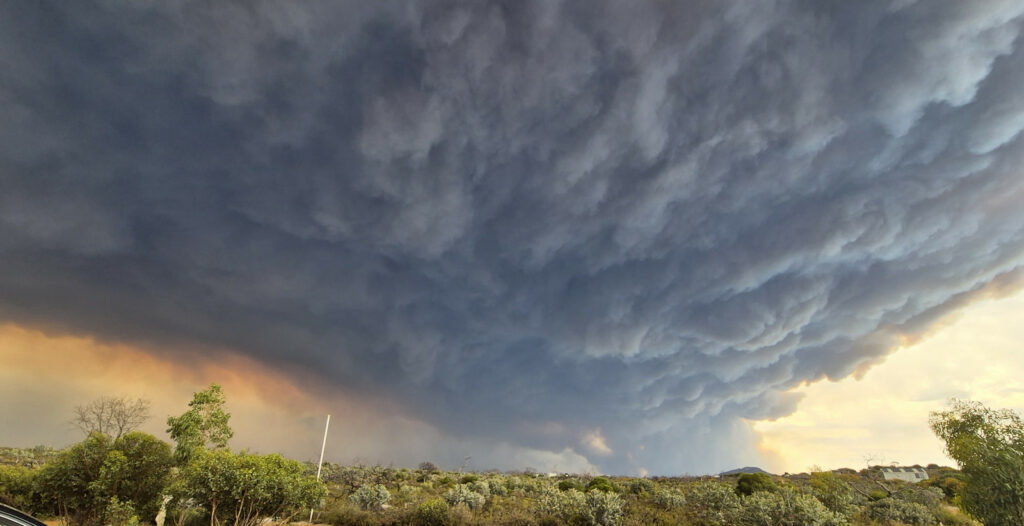
A natural disaster of historic proportions has unfolded. Some 172,000 hectares of the Fitzgerald River National Park and critically important natural habitats at Cocanarup and to the south of Ravensthorpe were burnt over 12 days in January. Like many people, I am in mourning for what has happened.
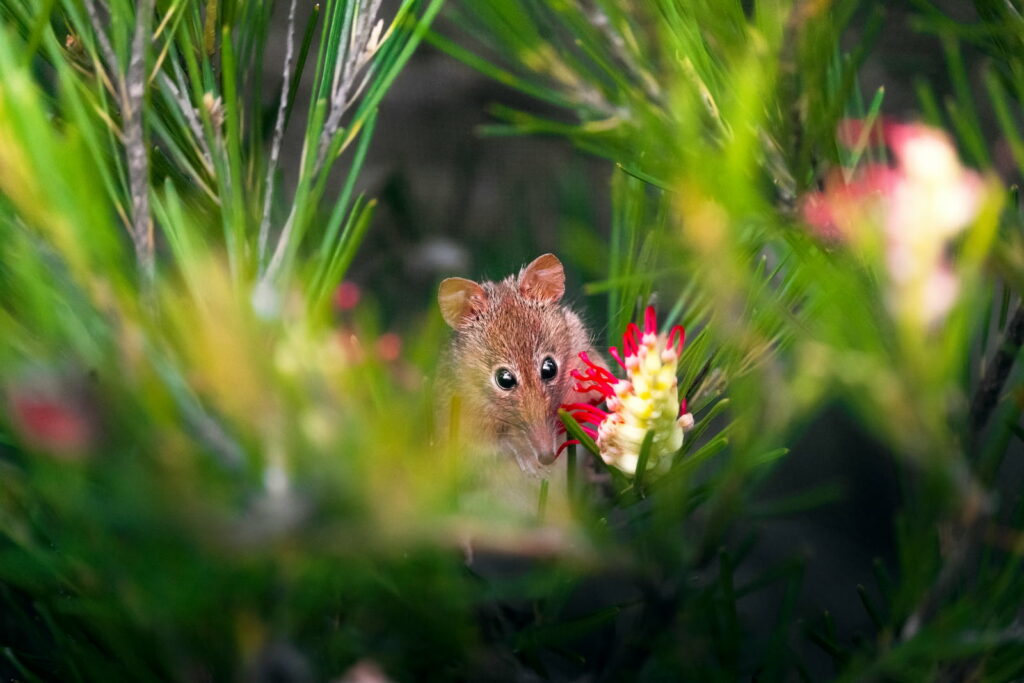
When I first met the Fitzgerald, in mid-1976, I had the great delight of being in a place that seemed virtually unburnt. It was full of life and vitality. The first ‘prickly bush’ I peered into revealed a massive Banksia baueri flower with three honey possums (Tarsipes rostratus) feeding on its nectar. And it just got better from then on!
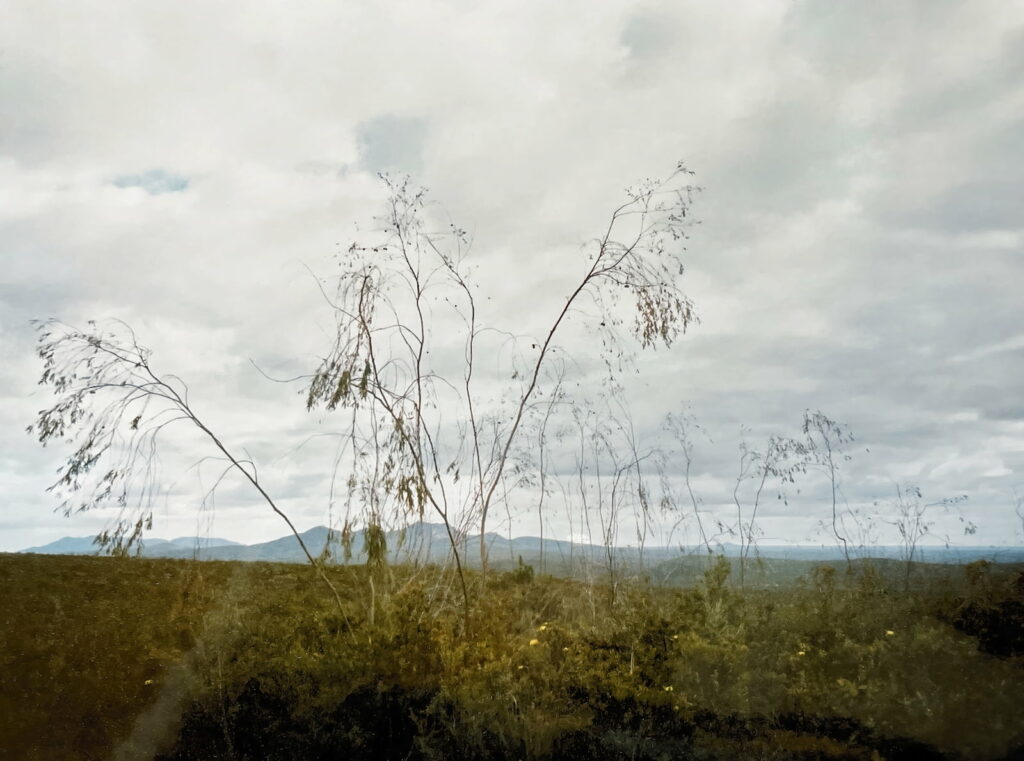
I ended up living close to the eastern side of the park and often visited the somewhat poorly named No Tree Hill, marvelling at the magnificent thin-stemmed weeping gums (Eucalyptus sepulcralis) growing there. They towered above me — I think for 12 metres or more — before gracefully bending their slender branches and leaves to caress the prickly heathlands that grew beneath them.
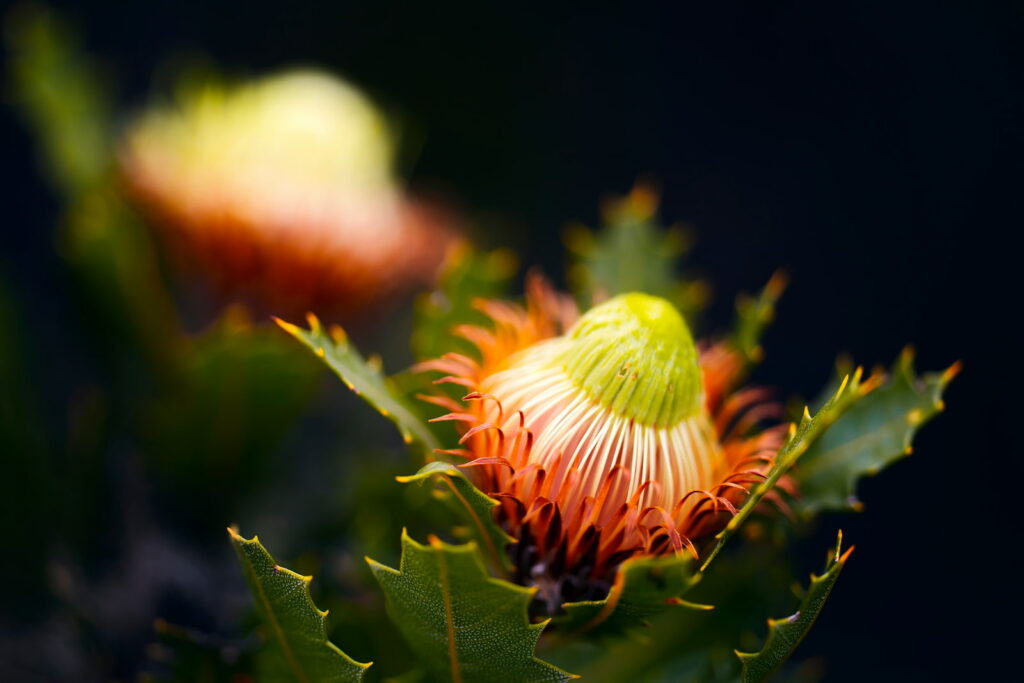
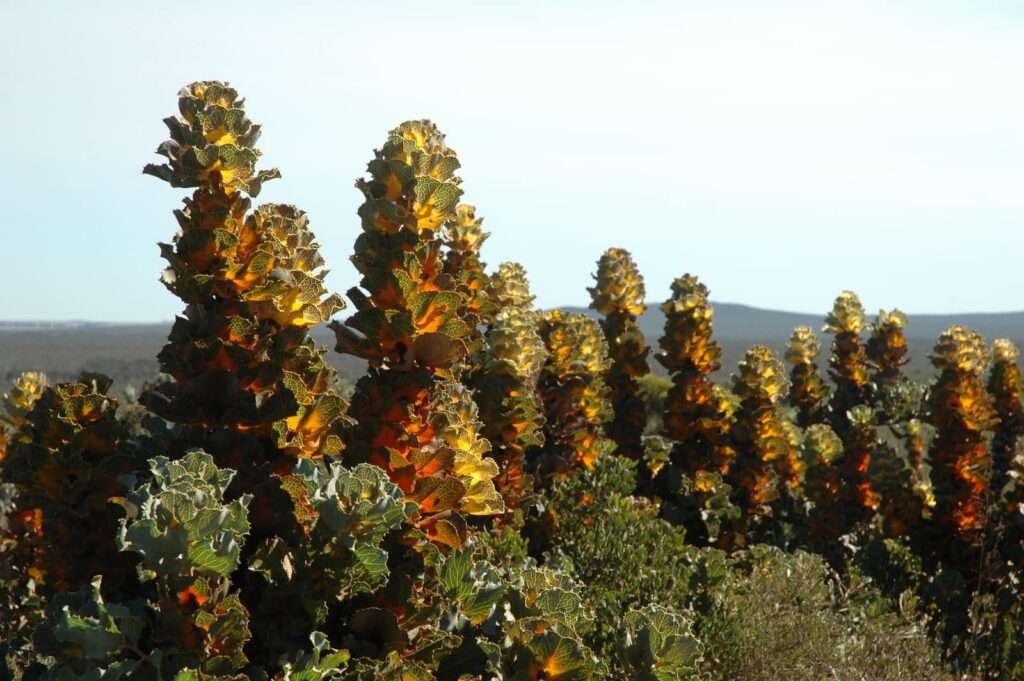
Those heathlands included the multi-coloured royal hakeas (Hakea victoria), which were themselves often five or more metres high; columns of leathery leaves shining iridescently orange, yellow and red in the sunlight. I was amazed by these sights, just as I expect Noongar people were before me, and as botanist James Drummond was when he first visited the area in 1847. He described the “brilliant colours in the bracts of this extraordinary plant” — the royal hakea — and was so impressed that he “tied up sixteen of the bract bearing tops in two bundles, tying them together with the creeping shoots of the black creeper Kennedia nigricans and slung them one each side of my old grey pony Carbine. One specimen fourteen feet high, I carried in my hand all the way to Cape Riche”.
Some earlier European visitors were not as impressed with the area. In 1802, Matthew Flinders sailed past and collectively named the Fitzgerald’s coastal ranges ‘the Barrens’. Forty years later, when Edward John Eyre encountered East Mt Barren on his epic trek from South Australia, he commented in his journal that, “Most properly had it been called Mt. Barren, for a more wretched arid looking country never existed than that around it.”
But before Eyre, with his dismal views, and even before Drummond, came a botanical collector who saw it as anything but barren. Between 1826 and 1829, William Baxter travelled through the area, collecting seeds and plant pressings to sell to the European market. One of his seed collections sold for 1,500 pounds, a fortune at that time.
Jumping forward nearly 150 years, to when the national park was gazetted in 1973, the park’s botanical values were already considered high, with some 660 plant species identified. But that was just the beginning. I had the pleasure of knowing Ongerup farmer-turned-botanist Ken Newbey, who surveyed the area in the 1980s until his untimely death in 1988. Ken was one of a small number of key people who helped us better understand how incredibly rich and important the area is. His track record, as he put it, was “one species new to science for every day spent in the bush” — an astounding achievement that most botanists in the world have trouble believing.
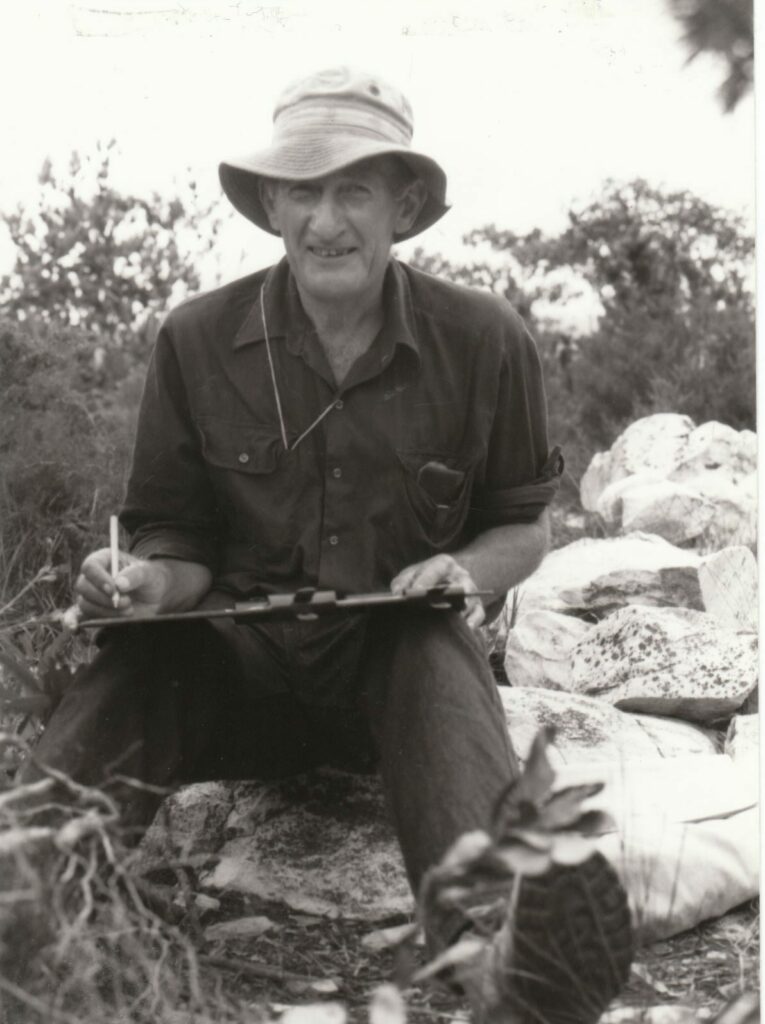
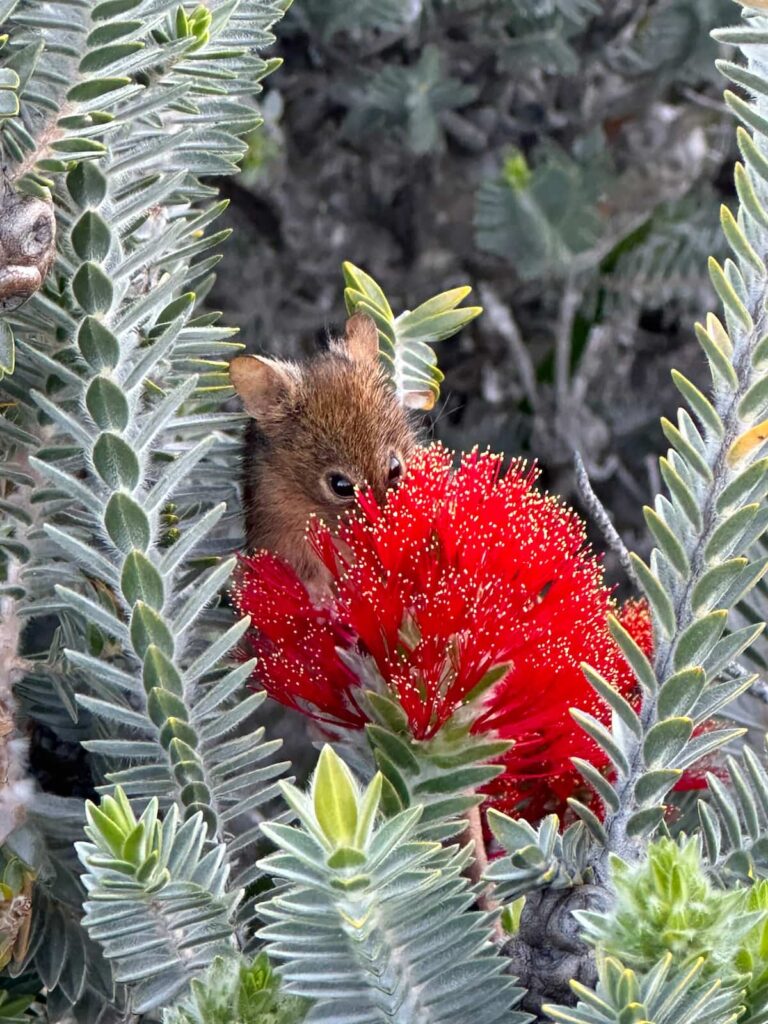
Through the work of Ken and many other wonderful people, the plant list for the park has almost trebled — now approaching 1900, I gather. Ken and Ravensthorpe zoologist Andy Chapman undertook the initial biological survey of the park in the mid-1980s, and as a result, the list of birds and mammals also grew. Healthy populations of the heath mouse, considered extinct in Western Australia since the 1930s, were only one of the surprises they uncovered.
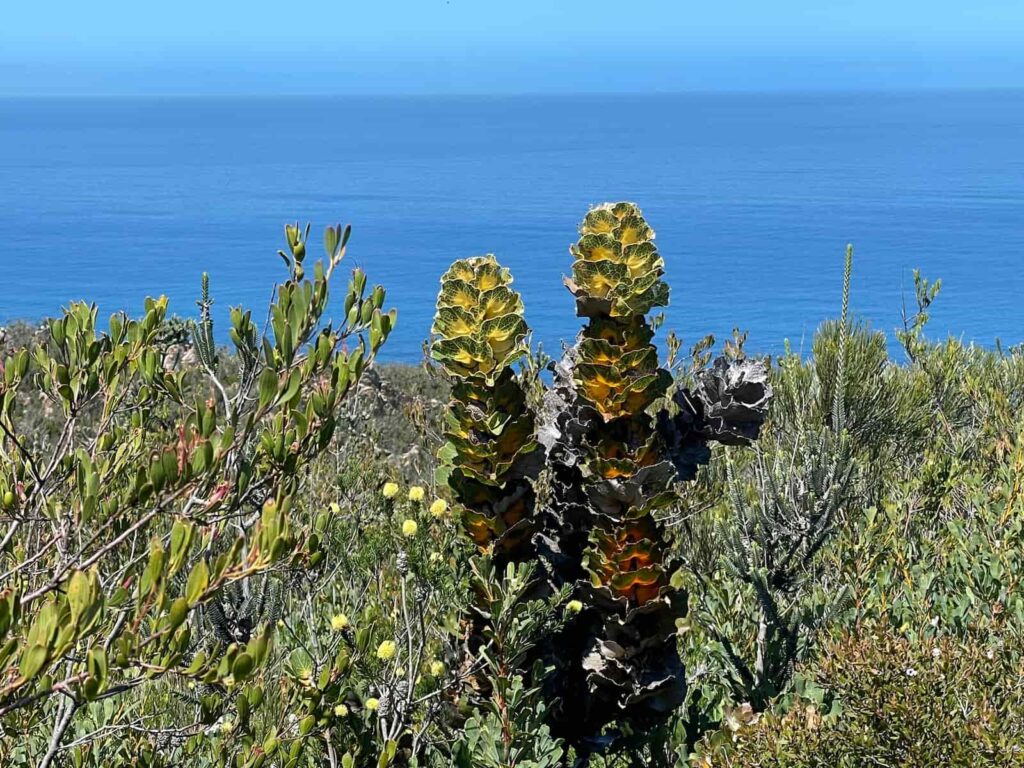
We were in an age of scientific discovery, with much other good work advancing our understanding of the place beyond simple species listings and toward a deeper appreciation of its complex ecology and significance. In 1989, when UNESCO’s Director of Ecological Sciences, Professor Bernd von Droste, visited the area (at the invitation of local community members), his subsequent statement was clear, “The Fitzgerald River National Park is without doubt the most important mediterranean ecosystem reserve in the world. It stands out for its scientific, conservation and educational values in the same way that the Galapagos Islands do.”
Bernd, who visited because the Fitzgerald area’s International Biosphere Reserve status had been activated by the local community, also caused us some embarrassment by quietly and continually asking “But where are your scientists?”. I think he was expecting to find a well-funded research centre based in or near the park, full of busy researchers supporting the management of the area. This was especially poignant for me, because the previous year I had visited Cevennes Biosphere Reserve in south-western France. They had their own well equipped and staffed research centre, and I was flabbergasted by the extent of locally-based research that focused not only on the natural and cultural values of the area, but also actively worked to improve the beneficial interactions between the natural environment and the area’s farming community.
Since the 1980s, there has been a wave of general studies across south-western Australia that has helped us better understand and appreciate where we live. Ecologically, we are no longer seen as a sandy and scrubby back corner of Australia, but as one of a small number of internationally recognised biodiversity hotspots — places “where exceptional concentrations of endemic species are undergoing exceptional loss of habitat”. This is global recognition for the richness — but it comes with that sad twist.
In addition to its intrinsic richness, the Fitzgerald is also important because it has, so far, dodged a potentially fatal bullet. It is the only large natural area left in south-western Australia that does not have major dieback infection across it. This destructive pathogen (Phytophthora cinnamomi) has ravaged south-western Australia’s ecosystems since it was first introduced over 100 years ago. It has been particularly savage in national parks like the Stirling Range (Koi Kyuenu-ruff), where it is thought to have been introduced through road gravel in the 1970s, and further east at Cape Le Grande. It is especially destructive of plants in the Proteaceae family, like the banksias and hakeas which are abundant at Fitzgerald. There is only one outbreak in the central Fitzgerald, along an old track bulldozed through by a mining company before the park was declared, but intense management of that site and strict quarantine arrangements across the rest of the park’s core area have kept the Fitzgerald relatively disease-free.
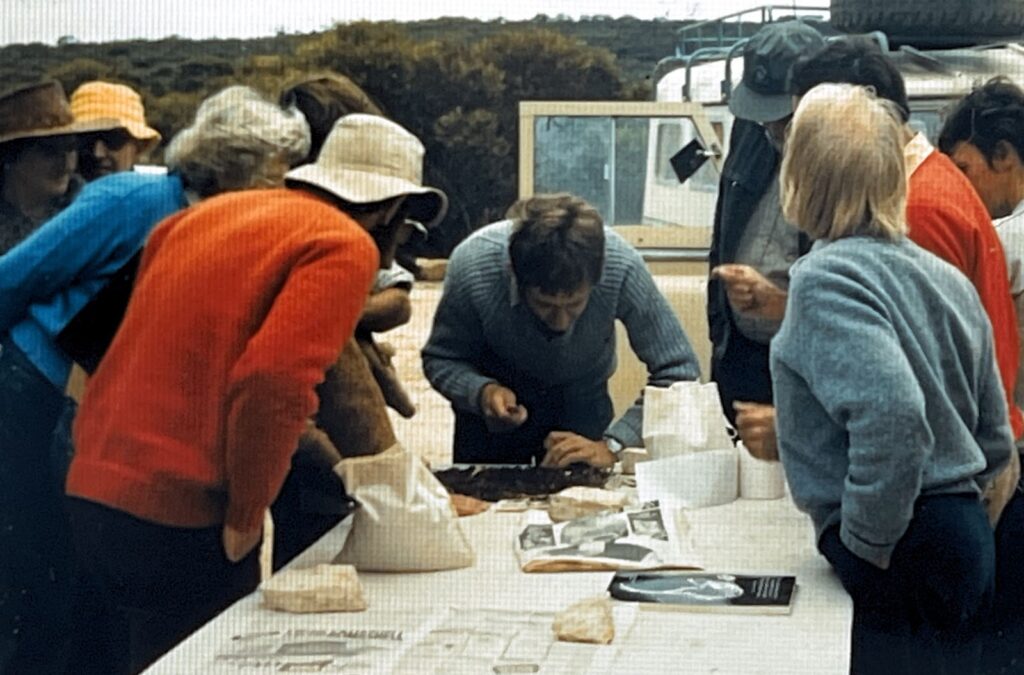
Unfortunately, there are other ways in which the Fitzgerald has already lost a great deal, even before the recent fire. Going back to the 1980s for a moment, I was there at the Twertup Field Studies Centre, overlooking the Fitzgerald River valley, when a treasure trove of animal remains from the owl roosts at nearby Jonacoonack Rocks were retrieved. While examining these at Twertup, the WA Museum’s Alex Baynes was able to reveal to a small group of park enthusiasts the wildlife species that had already been lost from the area since the 1800s. It’s a tragic reality that Australia has the worst record for mammal extinctions in the world, and the Fitzgerald area is no exception. It once held some wonderful wildlife, such as the exquisite banded hare-wallaby, a small potoroo now totally extinct, and the quirky quokka — the one we all like to get a smile from at Rottnest (Wadjemup). From the memory of one very early settler, it seems likely that at least some of these species survived into the early 1900s. He recalled ‘the ring of eyes’ that gathered around their campfires from the abundance of nocturnal wildlife at the time.
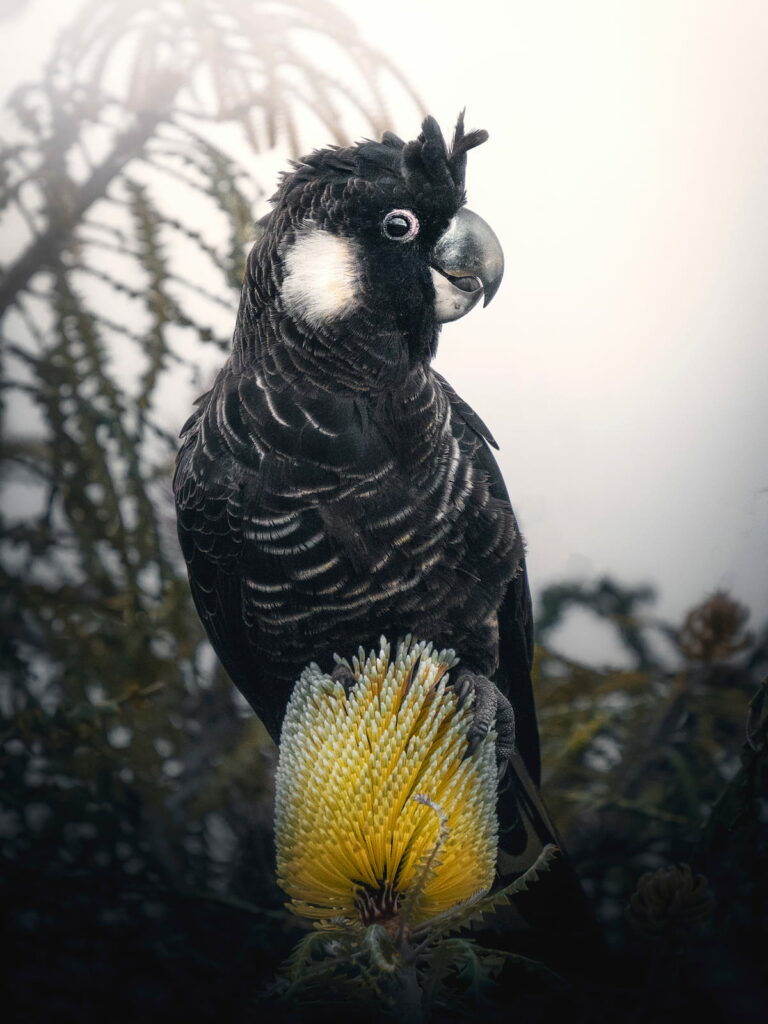
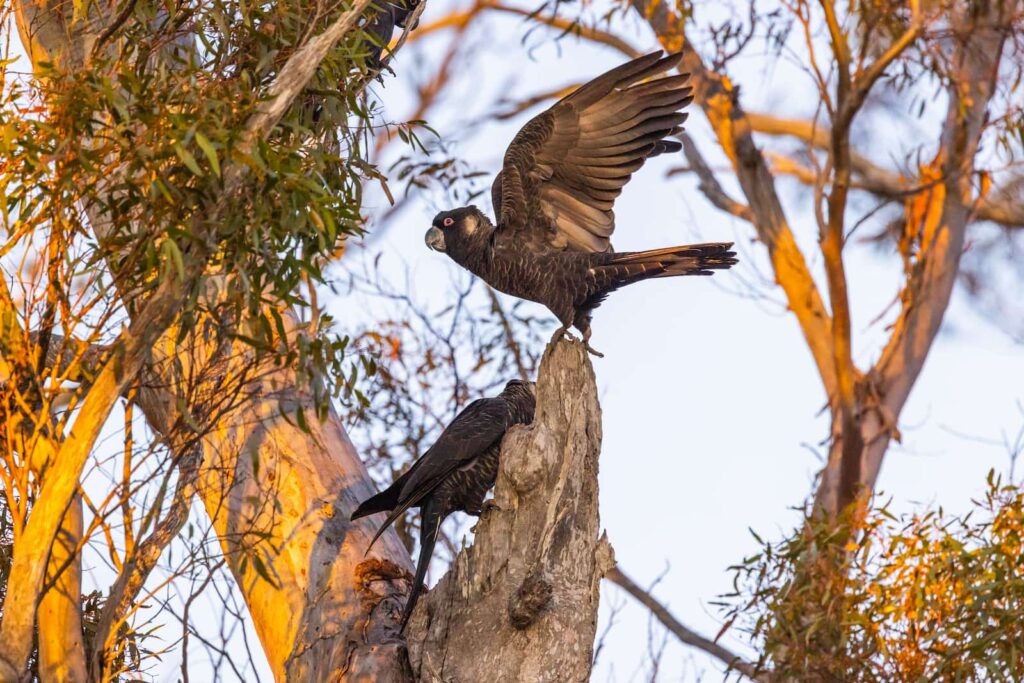
And I can no longer hear the elusive Western Ground Parrots calling in the northern Fitzgerald, as I could in the 1980s. In fact, I understand they have been totally lost from the Fitzgerald now, and are restricted to an area at Cape Arid, itself badly burnt in the recent fires. Big flocks of Carnaby’s Black-cockatoos were common; while the occasional flocks seen now remain a delight, this sight is tinged with anxiety for their future. Late afternoon drives along the Old Ongerup Road, where the north of the national park meets farmland, were once quite hazardous, as the beautiful, black-gloved wallabies regularly darted across in front of the vehicle. But you don’t see many wallabies there now, and the road seems strangely empty.
Now we have some 172,000 hectares burnt in one massive and very intense wildfire, resulting in blackened country stretching from near Point Anne in the west of the park all the way to the precious Cocanarup area near Ravensthorpe. Farmland was also affected and evacuation procedures were initiated in the town of Ravensthorpe.
Over 200 firefighters have been involved, facing danger and uncertainty for 12 days. Thank you all. We are so glad no one was hurt.
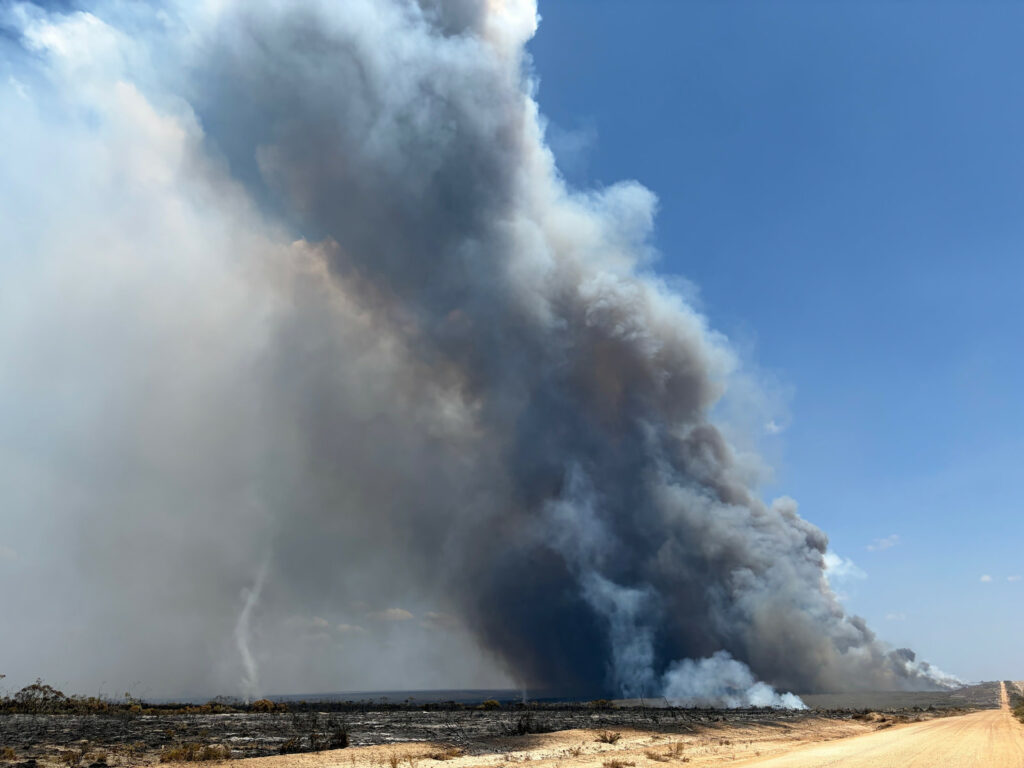
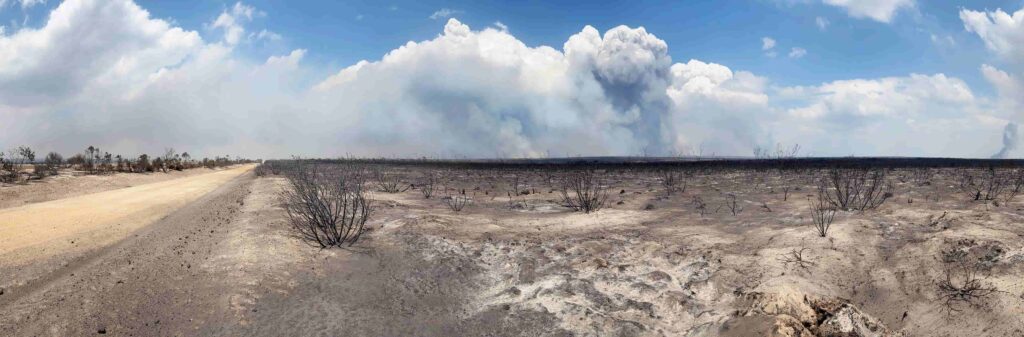
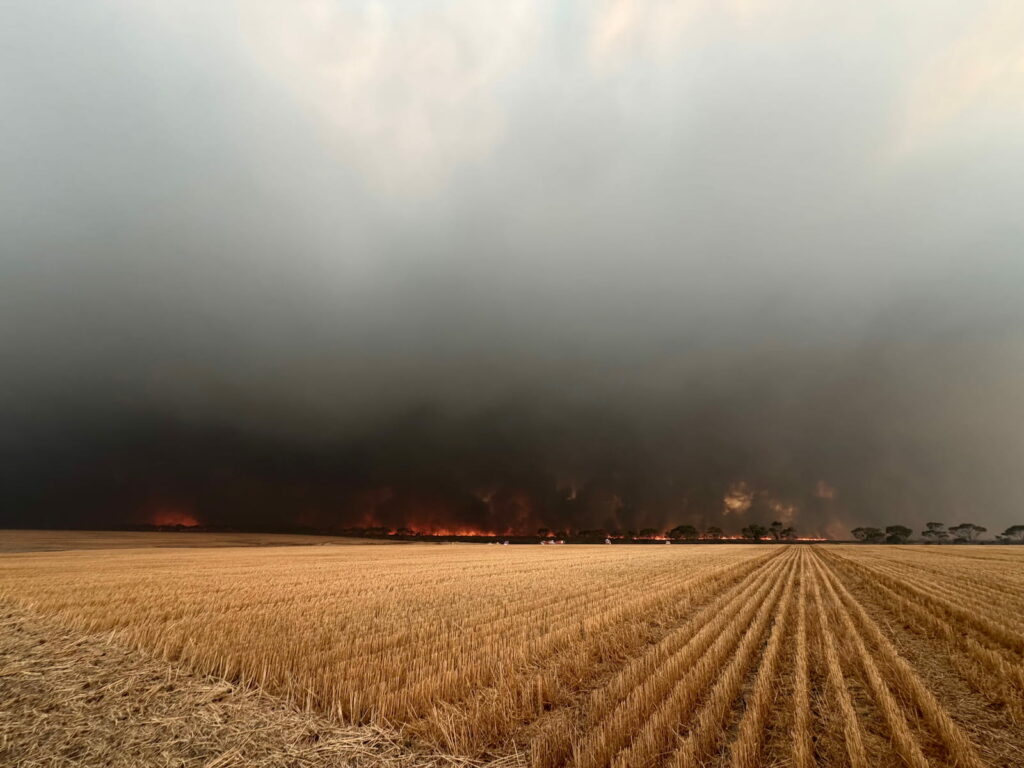
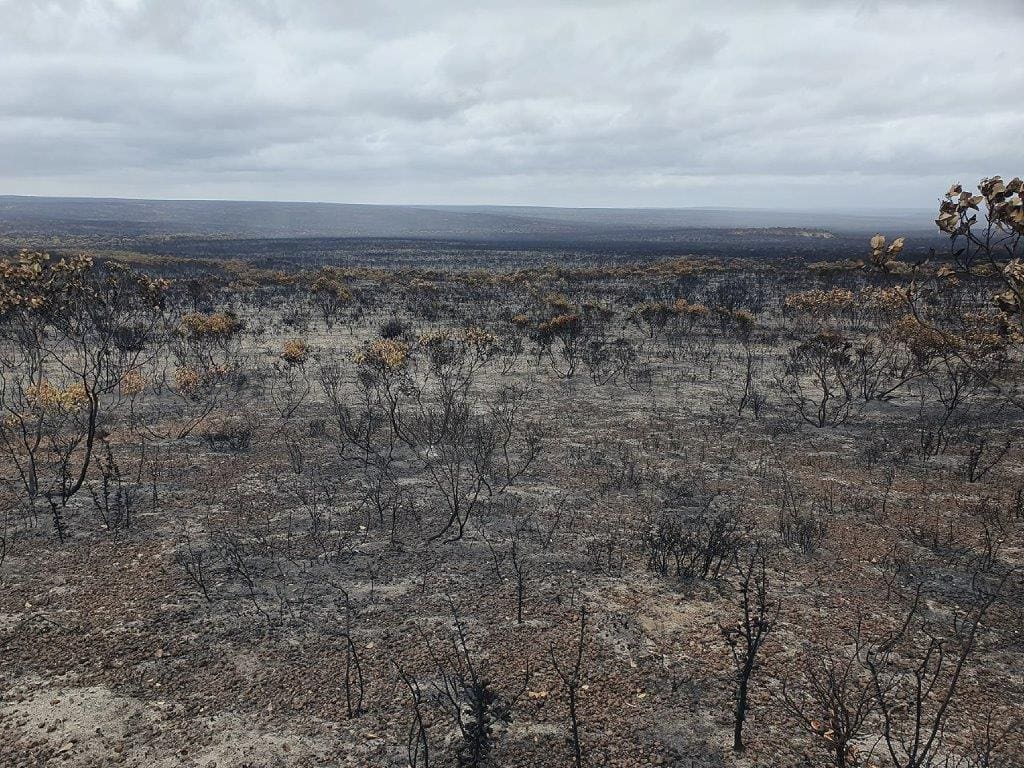
While we mourn what has been damaged, we must now move quickly to think of what Boodja, the Country we are part of, really needs. In the Fitzgerald and at Cocanarup, any wildlife that has survived will be hungry and exposed to increased fox and cat attacks over the coming months. Are supplementary food drops possible? The burnt area is so large that many wildlife species will surely need help to repopulate. What does that entail? And how do we reduce the risk of future mega-fires without damaging the values we are trying to protect?
I’m not knowledgeable enough to know what we should do over the coming years and decades to care for what can recover. But I do know that the work of repair and recovery will benefit greatly from the voice of the Noongar people who feel for Country and carry wisdom from beyond just the last few centuries. That work would build on an additional change that has taken place in recent times. When I first came to Western Australia, the Noongar people of the south coast were, to quote one Elder, ‘the invisible people’ — and they were certainly not living around Ravensthorpe, where the trauma from earlier massacres lingered.
Today there is a much greater recognition of the rich heritage and ecological insights Noongar culture brings to us all, with shared participation in many events and land management tasks. The old stories and songs are having life breathed back into them. A poignant massacre memorial sits on the hill at Cocanarup and is visited by many. Now, more than ever, we need to listen with humility to the Noongar Elders and learn how the Traditional Custodians lived in the area. Hopefully, they will be willing to help the wider community understand how Country can be better managed to prevent the mega fires and return the bush to health.
One other thing I know for certain is that the ridiculously small government budgets currently allocated to the ecological care of the Fitzgerald and Ravensthorpe areas will not suffice. The place is a biological treasure of global importance and cannot continue to be managed by a small, overstretched ranger staff with the managers based some hours away. It is also not enough to have a small number of ecologists juggle their workloads and travel schedules so they can occasionally visit the area — we need a team of them to be part of the place and part of the local community.
When things go wrong, departments generally cop the blame, and there will no doubt be some heated discussions in coming months, but the bottom line is that responsibility for the ongoing decline in the park sits with the State Government at a Ministerial level. We need some Cabinet-level decision making to ensure that our irreplaceable natural areas receive properly resourced ecological management. Additionally, it must be made clear that fires are to be dealt with rapidly, while still small, and that the resources needed must be in place so this can happen.
So, through this hastily written story, I have tried to make a few key points.
Over the past fifty years, it has been clearly established that the ecological and evolutionary richness of Fitzgerald and the surrounding area is a global treasure, with its cultural richness also gaining greater recognition. While we don’t yet know how to live up to all the responsibilities that entails, at least more of us are now accepting that caring for the area is a major responsibility.
The area has been damaged, not just in this one massive fire, but by numerous changes and pressures over decades. Any objective measure of its overall health shows downward trends: it has lost some wildlife species and may be losing more; it is copping more extensive, intensive and frequent fire; and is at grave risk of invasive pests and pathogens.
But it has some amazing people living around it who care deeply for where they live, who celebrate it through magnificent wildflower festivals and other events, who are heartbroken by what has happened, and who have immense local knowledge that is pivotal to ensuring that a more positive future emerges from the smoke.
They also have a wider network of people — regionally, nationally, and internationally — who likewise care deeply for this amazing place and can help achieve a more positive future.
THANKS to Karryn Duncan, Nic Duncan, Al Hordacre, Amanda Keesing, Theresa Miloseski, Brenda Newbey, Cary Nicholas, Jarvis Smallman and Rod Waterman for their generous and rapid responses to photo requests, and to Margaret Robertson and Ursula Rodrigues for editorial input.
Further information
Some of the groups involved in valuing and protecting these landscapes:
Cocanarup Conservation Alliance
Friends of the Fitzgerald River National Park
Ravensthorpe Wildflower Show and Herbarium
Fitzgerald Biosphere Community Collective (there’s a map and brochure here)
Wagyl Kaip Southern Noongar Aboriginal Corporation
South Coast Natural Resource Management
This link will give you access to the Fitzgerald River National Park management plan.
In this short video Ravensthorpe – Wonderland of Plants, watch Professor Kingsley Dixon and the Ravensthorpe Regional Herbarium’s Merle Bennett describe the immense botanical importance of the Ravensthorpe Range and areas south, which lie between the Fitzgerald River National Park and the Great Western Woodlands.